Conference Debriefing (49): IKK2026 – International Competition Conference
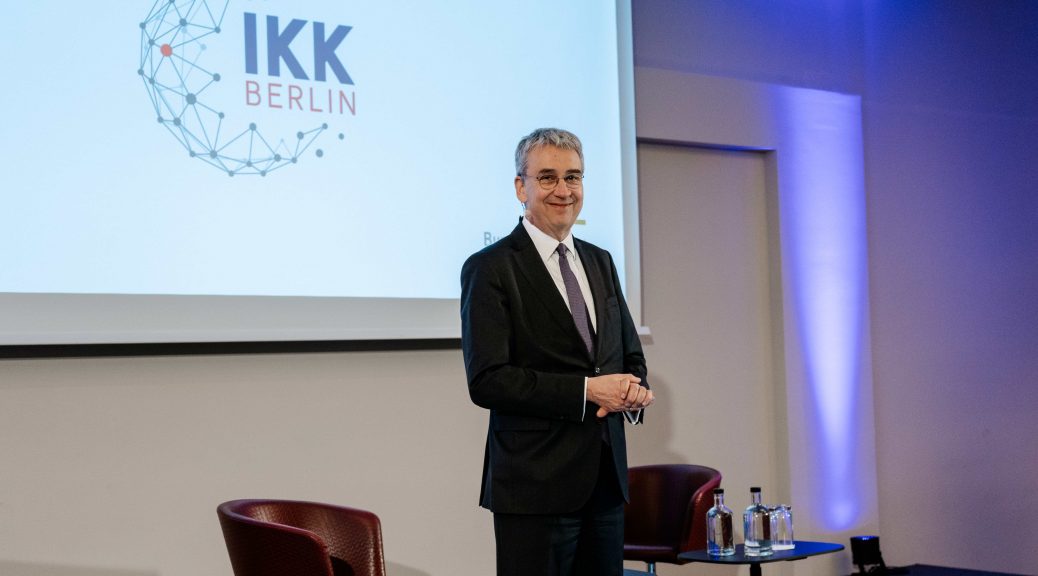
Lufthansa on strike, international aviation restricted, petrol prices sky-rocketing: The business community tried a lot to keep the competition community from meeting in Berlin in mid-March. But when Andreas Mundt and the Bundeskartellamt work their magic still everyone comes – including our very own Rupprecht Podszun. Here is his Conference Debriefing from the International Competition Conference 2026, the IKK!
Name of Conference: 23rd International Competition Conference, known as “IKK” for its German acronym.
Host: The Bundeskartellamt with President Andreas Mundt, his deputy Konrad Ost – and Barbara Schulze, head of the international unit and a household name for awesome conference organisation.
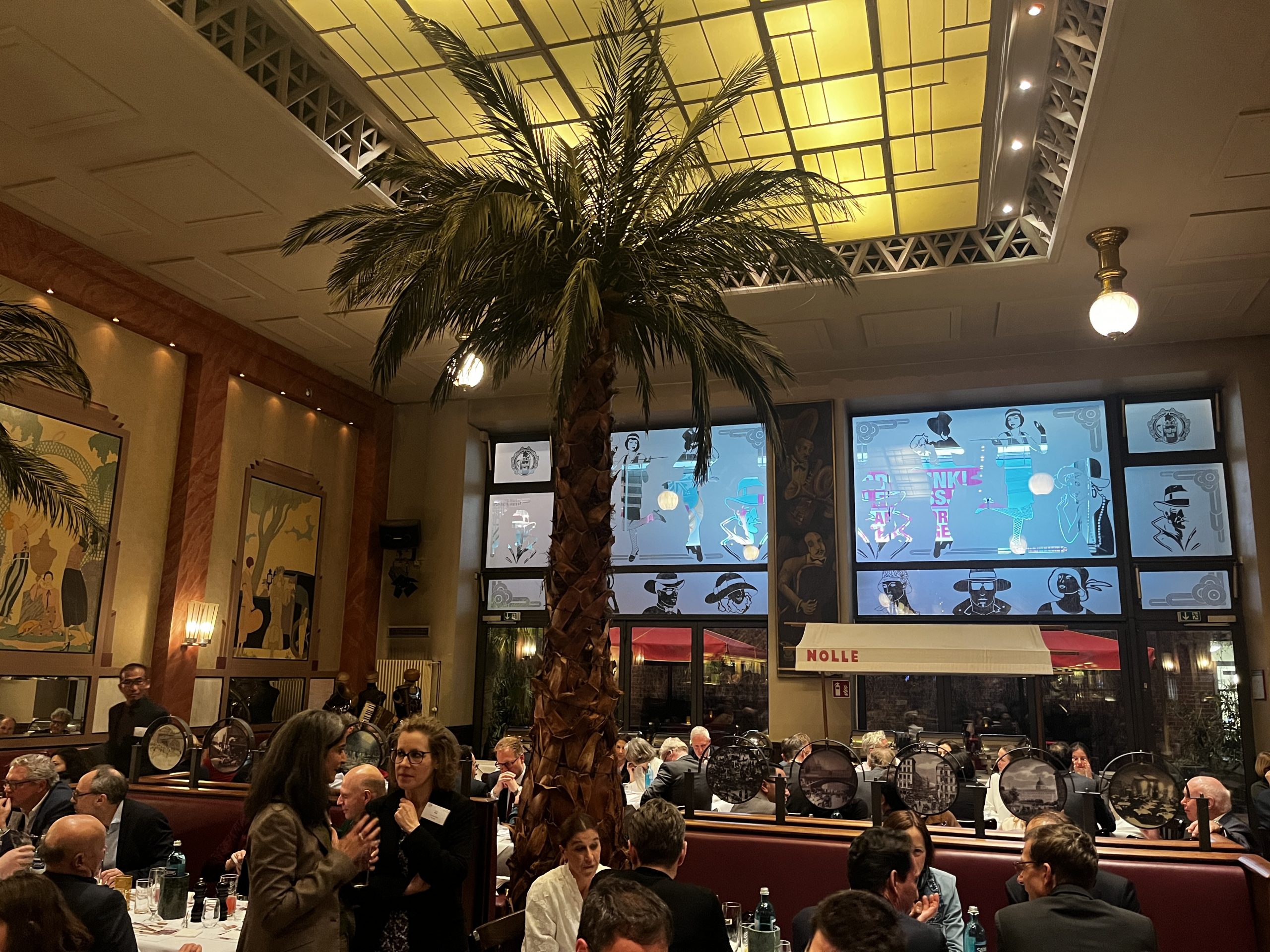
Locations: Nolle, of course, the legendary place where it always kicks off with Andreas Mundt standing on a wobbly chair to welcome the crowd; Steigenberger hotel, nicely located between Berlin’s central station and the German Chancellery; and AXICA, a Frank Gehry building next to the Brandenburg Gate. Gala dinner there must have felt like coming home for some of the antitrust lawyers from the Düsseldorf bar working in Gehry buildings!
Audience: Some 400 people, the list of participants ranges from Florence Abebe (Nigerian competition commission) to Andreas Zuber (Verband der kommunalen Unternehmen). It’s the mix of the German competition bubble with international enforcers and academics. At Nolle, I sat with Ljiljana Pavlic from the Croatian agency, Austrian economist Doris Hildebrand, senior judge Anne-Christine Frister and Johannes Keim from the German Ministry of Economics. Across the room, I spotted my Düsseldorf colleague Christian Kersting chatting with Hengeler’s Sarah Milde. The German top cartel senate was represented by three women named Ulrike: Ulrike Picker, Ulrike Holzinger and Ulrike Pastohr. (Seems that Ulrike is the female Thomas.) Wolfgang Kirchhoff was there, of course, their former chief justice, Damien Gerard of the Belgian competition watchdog, Ulrike (!) Suchsland, an industry lobbyist. I also saw Ulrich Egger (presiding judge at the Düsseldorfer Higher Regional Court) and Ulrich Müller from Rebalance Now.

Let’s now move to Questions & Answers with Rupprecht Podszun:
Q: Great topics, a star-studded programme!
Indeed. It is not the usual thing that the antitrust bubble is visited by the President of the Bundesverfassungsgericht, Germany’s celebrated constitutional court. Many were also eagerly awaiting the speech by Executive Vice President Teresa Ribera. One of the Super Marios was there, and a manager with a € 14 million paycheck in 2025. There were at least two fantastic panels, two mind-boggling speeches from industry representatives, and a lot of food for thought from the guests of honour.
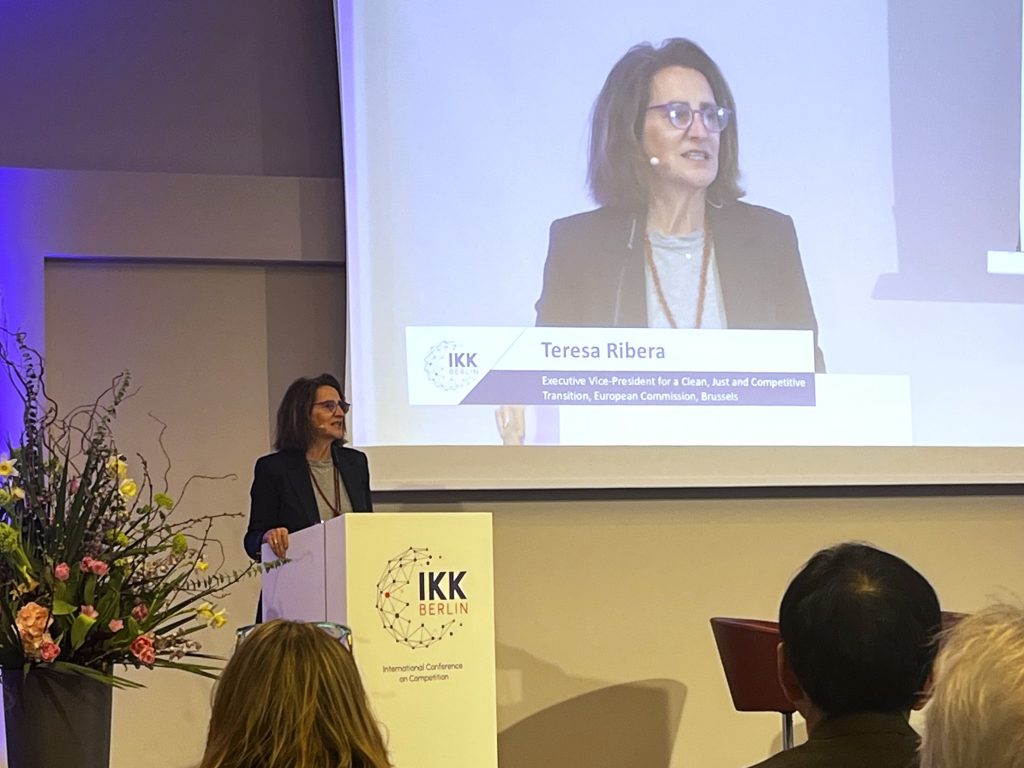
Q: Tell me more about Teresa Ribera, haven’t seen her on all channels yet!
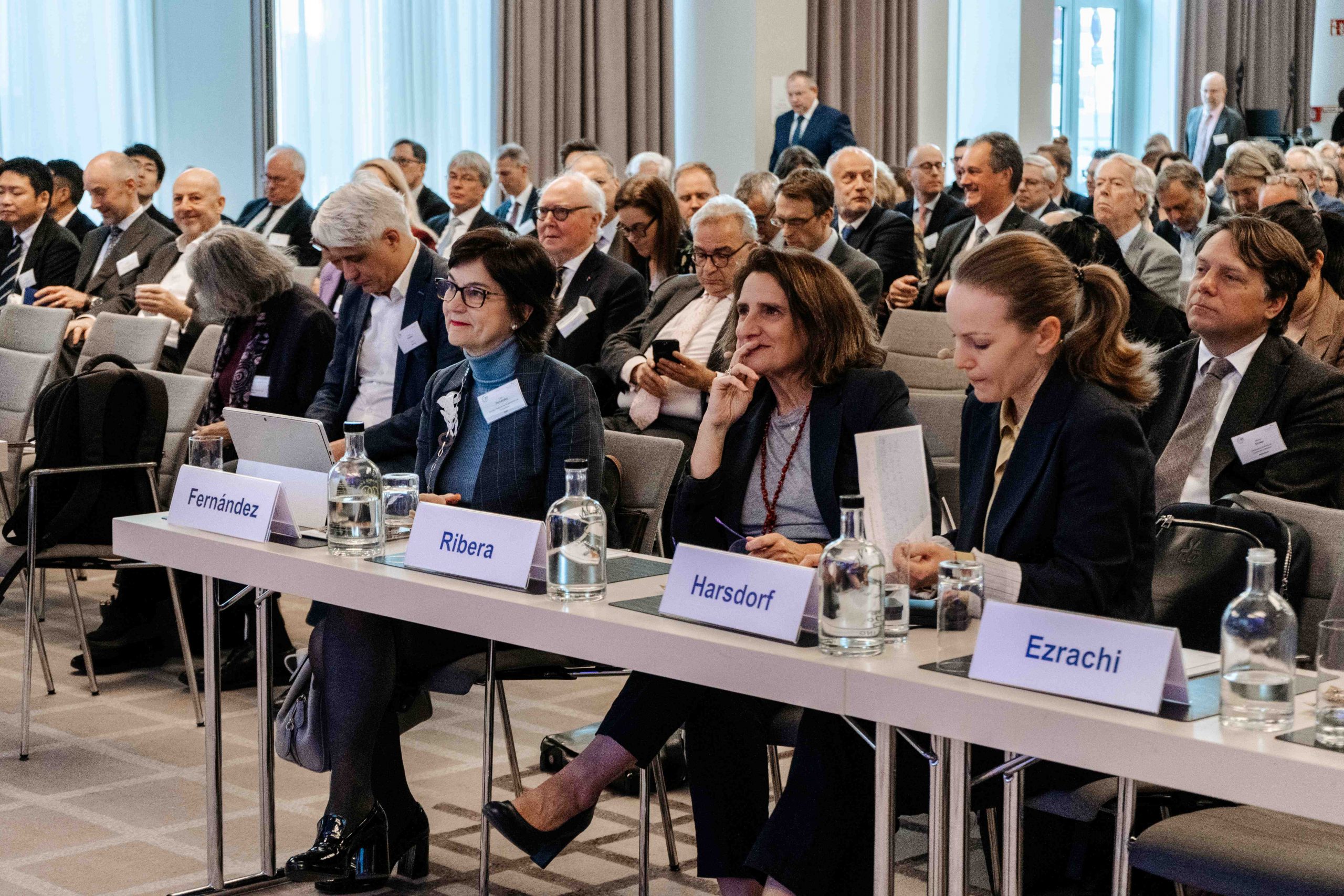
She has not announced that Google Ads will be divested (as I had secretly hoped), and she was very mild on national activities (such as Italy’s WhatsApp probe or Germany’s Amazon one) eating into the Commission’s push for harmonisation. She made it clear that she sees competition policy “at the service of society”: “Power, resilience, democracy, all this is connected to competition, now more than ever.”
Q: Phew, I want to see that formula in a merger case!
No worries: “We can reach out, but not overreach”, she said. Commission people confirm that she has started to love her competition portfolio. In her talk with Natalie Harsdorf from the Austrian Bundeswettbewerbsbehörde I think I understood her stance: As you know, she was a minister for environmental issues in Spain, and climate change and the transformation of the economy are still close to her heart. I think that she has entered the field of competition with this in mind: That the European economy is undergoing a dramatic transformation, and that competition and market-oriented solutions are the way to go. When Ribera left, the thoughtful Thomas Deisenhofer was the Commission’s top representative at the conference.
Q: So, I guess everyone was uplifted by another formidable IKK-event?
Not quite. Most of the panels and talks had doomsday vibes, but probably different stakeholders felt it for different reasons. Competition law purists learned that we are no longer doing this for protecting competition, but for protecting resilience, democracy, competitiveness, you name it. Big Tech learned that there is no good argument in defence of an extractive oligopoly. And everyone learned that the German economy is going down the abyss.
Q: Come on, it was not that bad, was it?
Even worse. Geopolitics is the elephant in the room, of course. No US official made it to Berlin, there was a pre-recorded video message. You may remember that the end of Gail Slater’s tenure as Antitrust Assistant Attorney General also had to do with her travelling to an OECD meeting without permission – with permission being denied while she was already on the plane. Things are not made easier when Europe is lagging behind, economically. In the panel, dedicated to these topics Tomasz Chróstny from Poland’s UOKIK spoke powerfully about the EU with its 450 million people. Veronika Grimm, an influential German economist (I spotted her over lunch with legendary economist Martin Hellwig), recommended to have more Erasmus partnerships with China. Our students, so she argued, need to learn from the leaders.
Q: It might be uplifting for me to hear that Big Tech is running out of arguments. Tell me more!
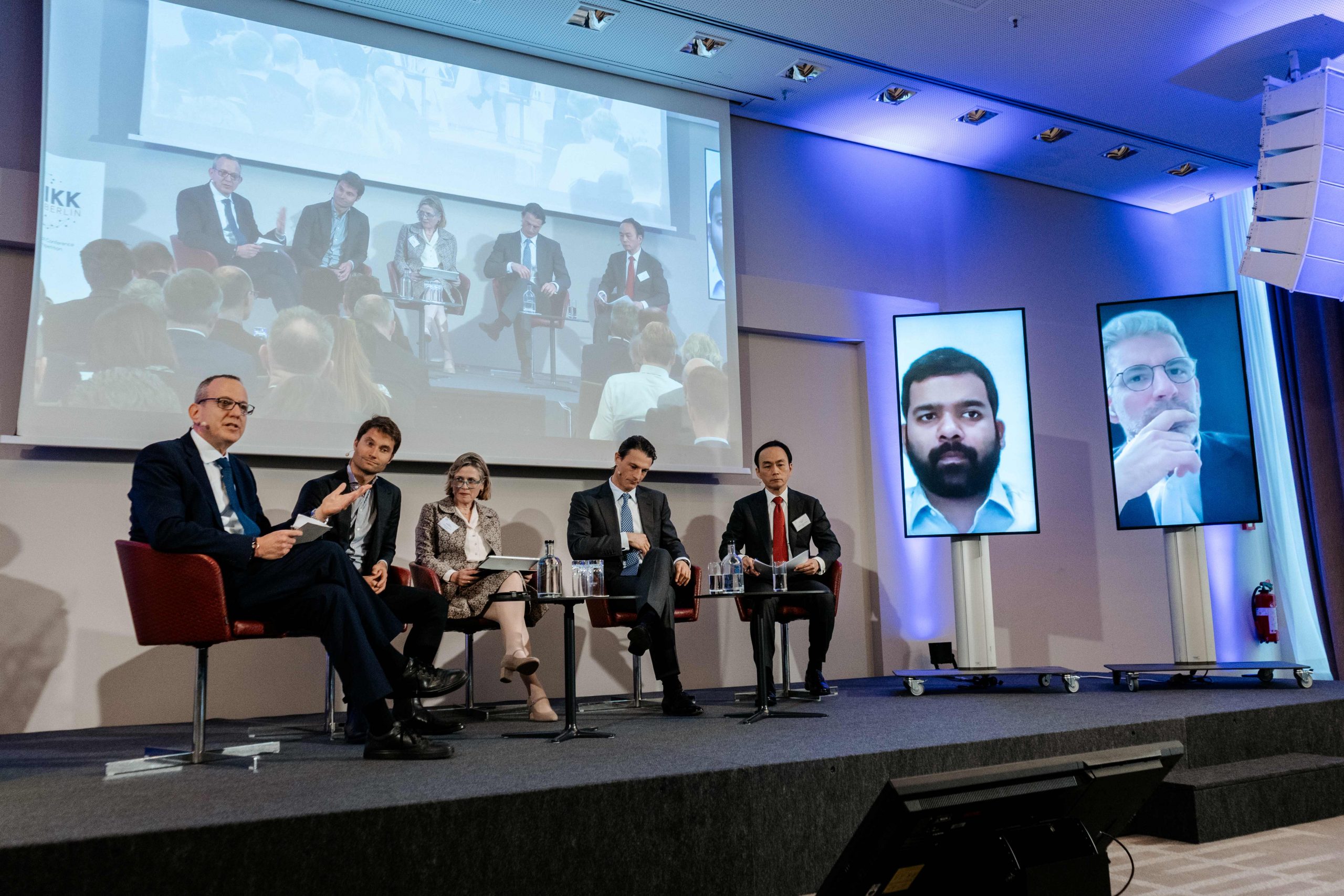
Ariel Ezrachi (Oxford) chaired an ‘all against one’-game: Big Tech had sent Oliver Bethell of Google. His chivalrous demeanor and flawless British English (a sought-after quality at international conferences) make it hard not to like him. But the organisers had placed one of his best customers on the panel, Johannes Reck, founder of unicorn GetYourGuide, plus one of the sharpest minds in digital economics, professor Fiona Scott Morton (Yale). The two of them were just wonderfully blunt in their attacks, and they were substantially seconded by Udbhav Tiwari of Signal, the messenger service that people like me prefer to use. Reck’s company pays € 500 million per year to Google – “and we do not even know what we are paying for.” What Reck does know: That the hyperscalers like Google free-ride on his data and customer profiles. “We have all slept for too long”, Fiona said matter-of-fact. On the panel, which was rounded out by Alexander Schellong of Schwarz Digits and Andy Chen from the Taiwan Fair Trade Commission, they were just passing the ball back and forth. Tough enforcement necessary. You could almost feel sorry for Oli Bethell.
Q: Did he concede?
A true knight knows when he cannot win a battle. “It would be naïve to suggest that the theories of harm put forward by Fiona do not exist. But they are theories, and they need to be proven.” He knows his rhetorics. In his first reply, he started speaking of his wife (she is from Finland) and his two daughters, who tell him…
Q: …that they would love to see a ban on social media for the younger ones?
Eh, no. They tell him that there is a lot of change going on. Not a very spectacular finding, but it was the intro for pointing out that there is a shake-up in the industry with AI and tough competition. Still, it seemed that after the panel, most people were convinced that Google’s AI was about to dominate the future. Fiona’s warning not to repeat the mistakes of the early platform age but to act swiftly on AI now was resonating around the room.
Q: Seems you competition folks wish to be top in regulating again if not in tech…
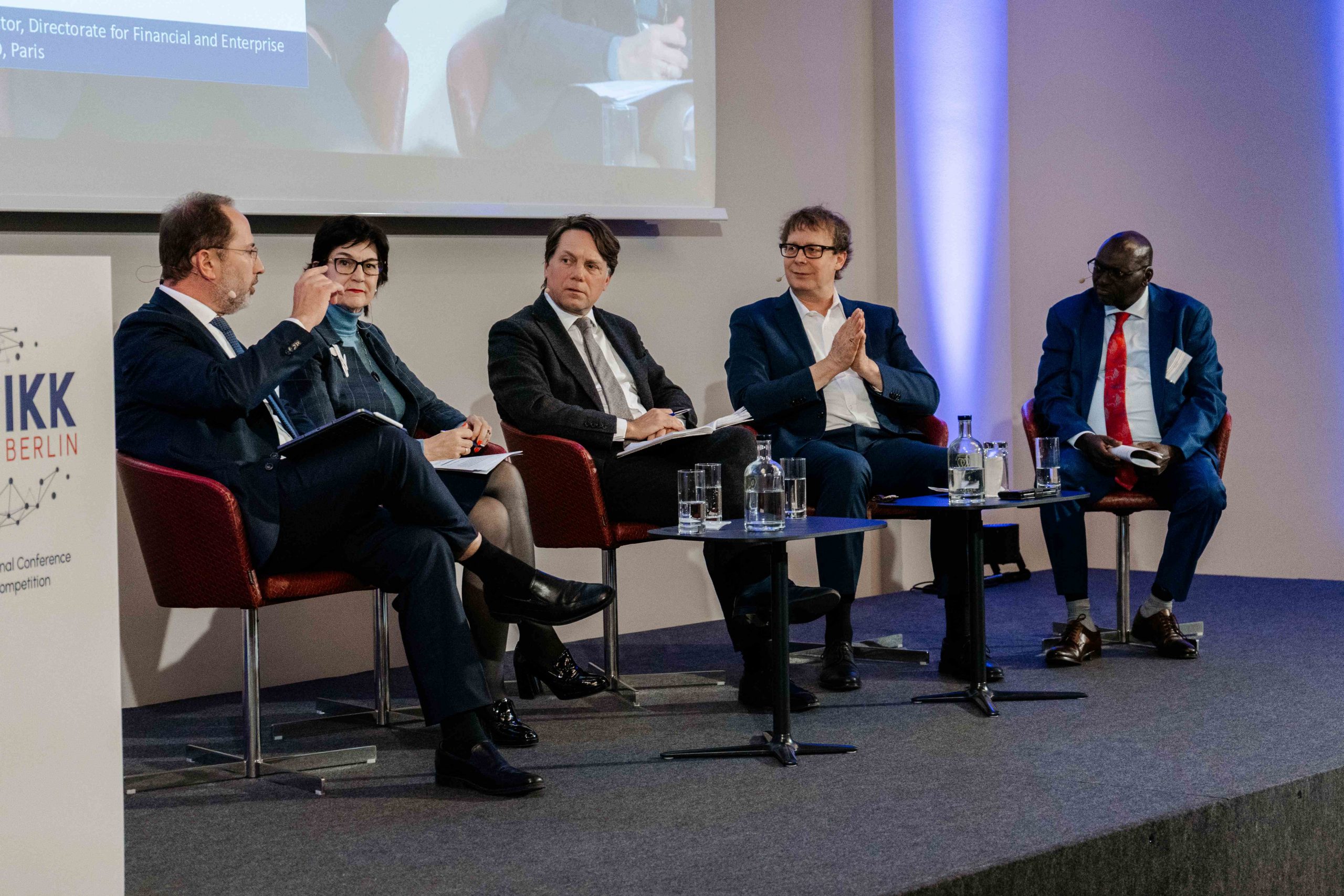
I watched parts of the AI panel in the hotel’s foyer. There was a little robot driving around with drinks (non-alcoholic). He was stared at by a group of German tourists in their practical jackets. If a service robot is still a real eye-catcher, then – never mind. You had asked about regulation. “We are bureaucrats, but we don’t like bureaucracy”, State Secretary Thomas Steffen had mused in his buddy-style talk with Andreas Mundt when opening the conference. Germany wishes to lift the merger control thresholds, and Steffen was in disbelief that EU merger thresholds had not been amended for decades. Mundt, in line with the government, is bashing overregulation these days wherever he can. But of course, he knows well what economist Justus Haucap pointed out in a panel on competition and regulation, chaired by Martijn Snoep from the Dutch ACM: You have to distinguish freedom-enhancing regulation, opening up chances, such as the DMA, from rules that are burdensome and achieve too little.

Q: Okay for the DMA, but how do you find out for the rest of all those rules whether they are good or bad?
Cani Fernández, head of the Spanish agency, got the tool! She and her colleagues screen all Spanish legislation with a tool, so she said, to find out where legislators (unintentionally) are about to restrict competition. ¡Hable con ella! António Gomes from the OECD also has some good papers on competitive impact, and David Kibet Kemei seconded from the Kenyan perspective.
Q: I hope this Spanish thing doesn’t go haywire when it’s unleashed on Germany… What about these two industry speakers? You said it was mind-boggling!
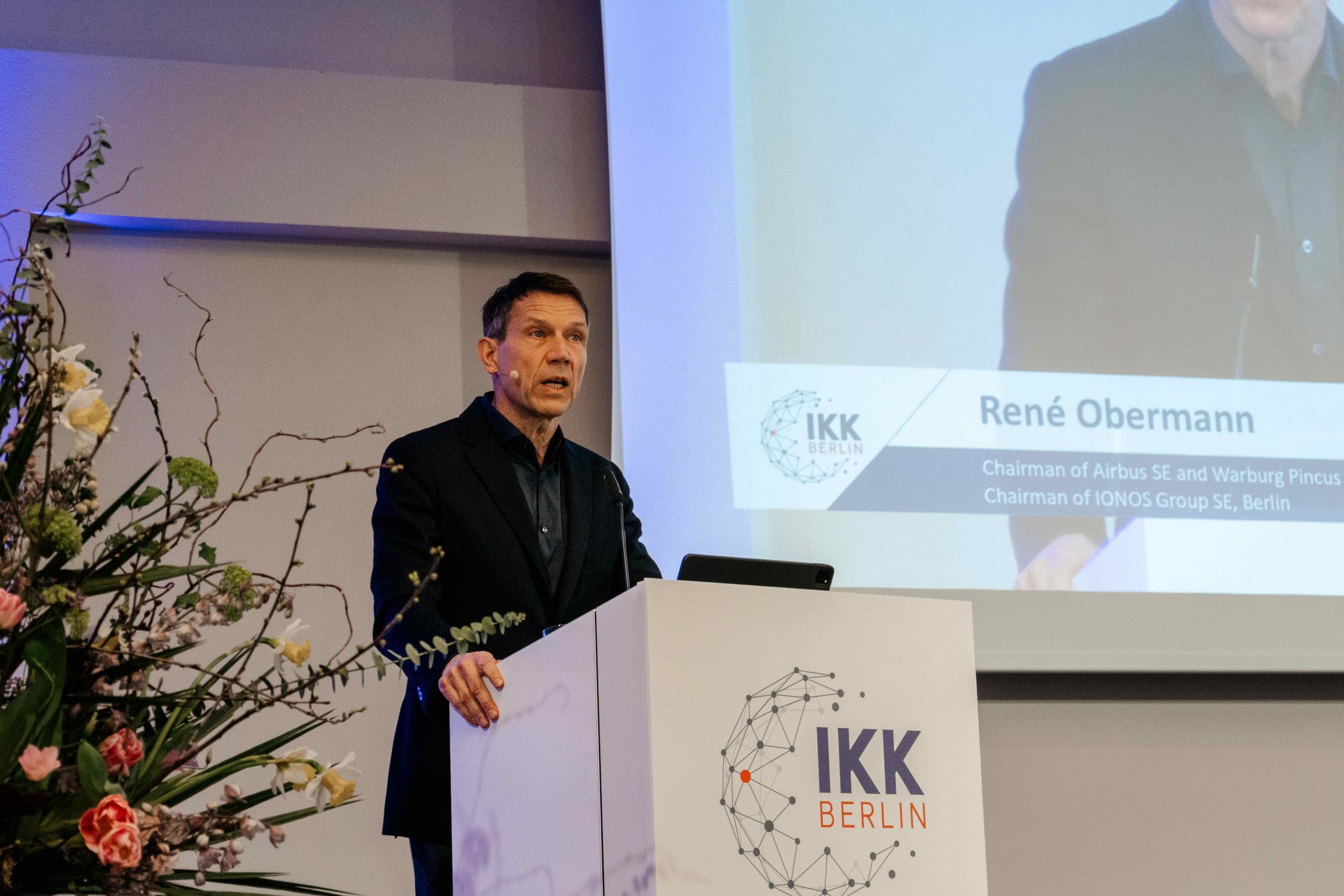
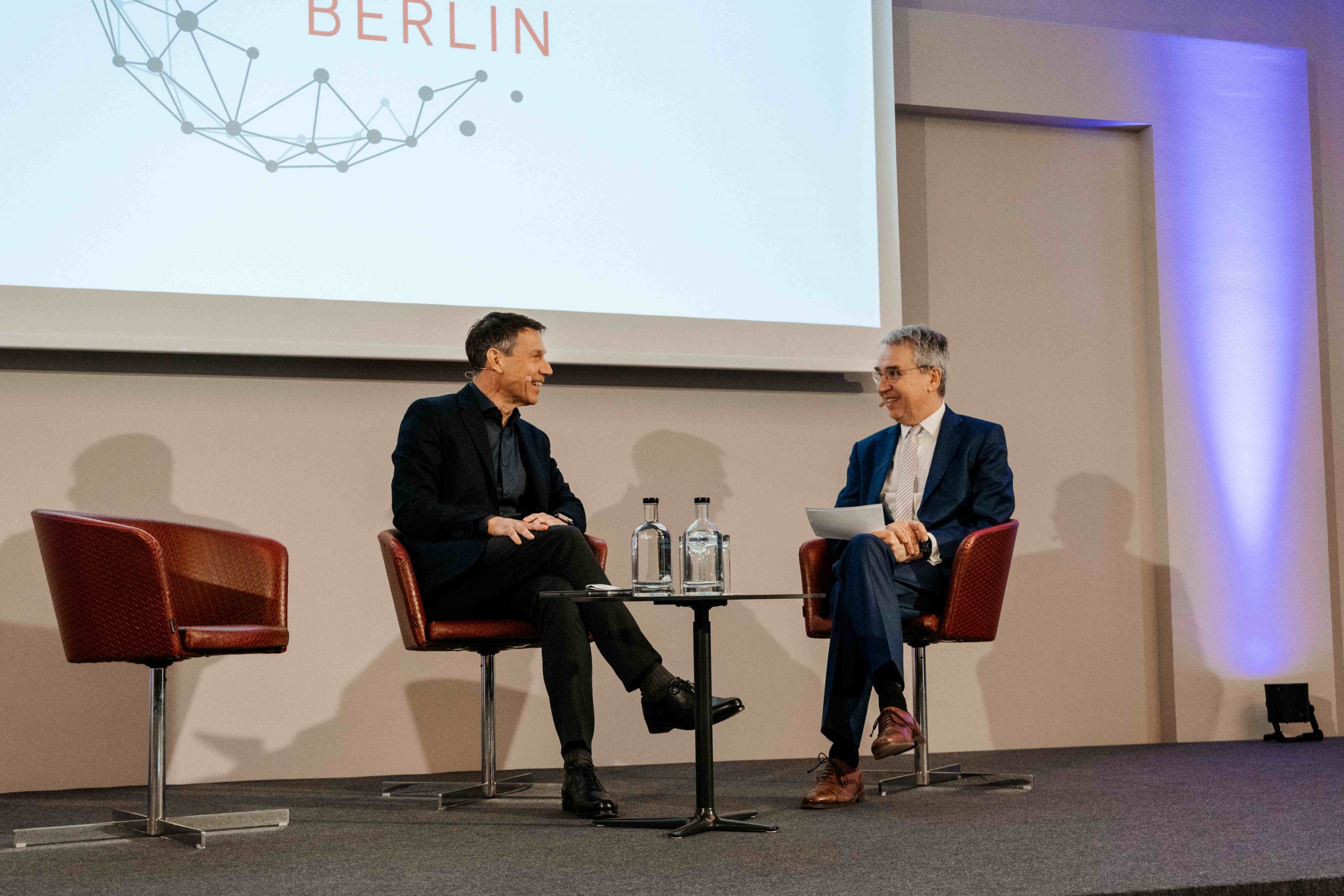
René Obermann, former boss of Deutsche Telekom, former university dropout-turned-start-up entrepreneur, former partner of a famous German TV host, currently chairman of Airbus and of a private equity firm, as of 2027, a chairman of SAP, an advisor to the Minister – you get it, he’s really a big shot. He gave a very considerate doomsday speech recounting all the familiar lapses, our shortcomings in defence, AI, EU harmonisation, etc. It boiled down to: We need to invest, and we need to have a joint venture by Airbus, Thales and Leonardo.
Q: European champions, yay! The merger control people in the room got the message, I guess?
The next day, Bill Kovacic provided his story of how the FTC tried to stop a similar project in the United States in 2006 but was only able to get some obligations into it – which, to his credit, enabled one Elon Musk to enter the space race.
Q: Not sure that is something I would be proud of.
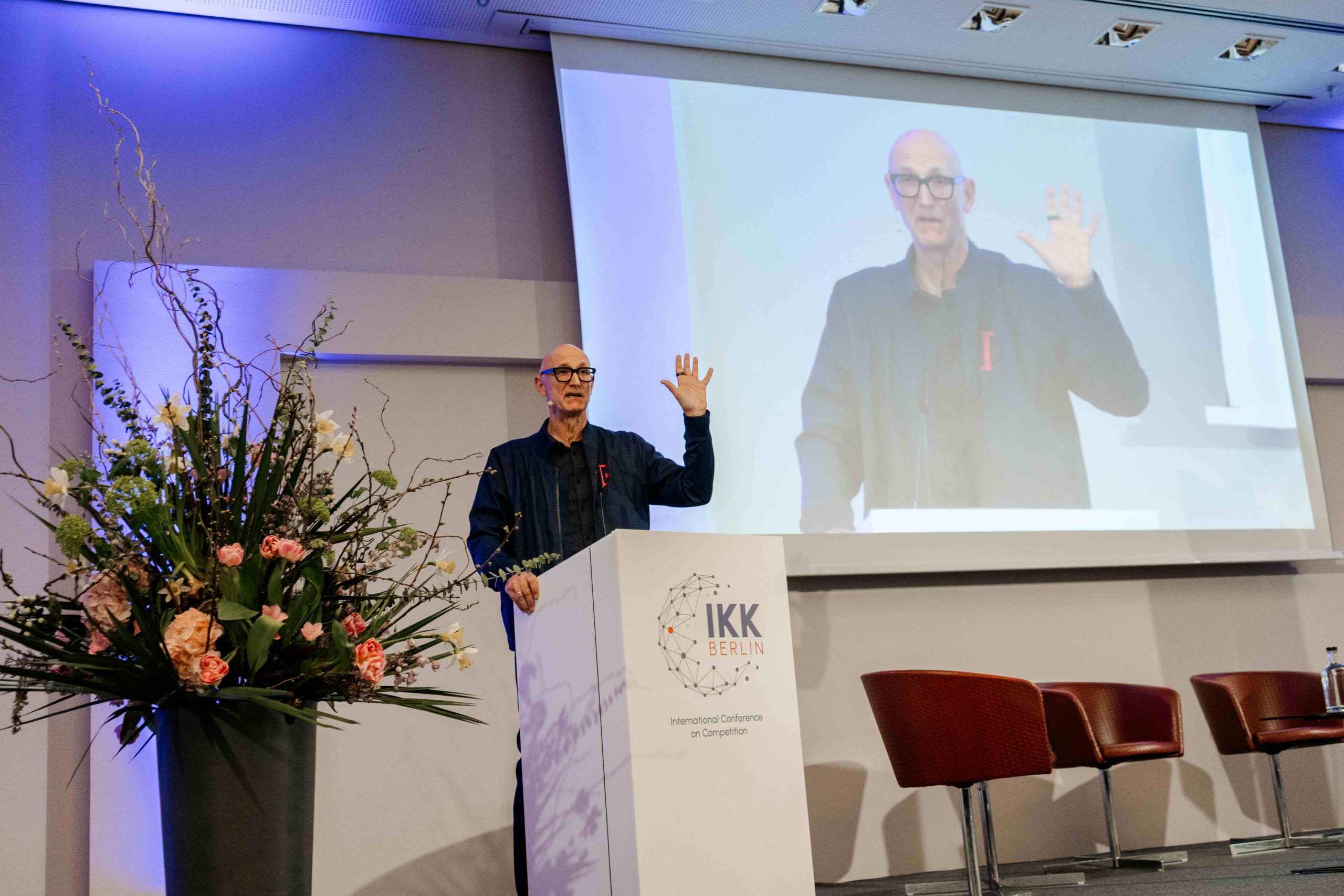
The other industry speaker was somewhat similar, but much more brutal in tone. Where Obermann had appealed to intellect, his successor Tim Höttges, now the boss of Deutsche Telekom, the German incumbent, appealed to gut instincts (“don’t be like Europe!”). I think five years ago, people would have called out that talk as aggressive, but nowadays, that’s a quality of course, and so people in the coffee breaks said things like: “I think 50% of what he said is right.”
Q: You seem a bit flustered, if I may say so.
Show me the evidence that having just one big German telco provider brings us closer to an EU single market or produces efficiencies. All evidence is against that. But there are two good things I can say about Höttges’ talk: One, he is an entertainer and a powerful speaker. Two: He knows his stuff. He has been in charge for years. He joined the board of Deutsche Telekom in 2009. At the time, Sam Altman was working on a location-based social networking app called Loopt at Stanford. Altman had nothing. Telekom had scale, money, engineers, and an inherited telecommunications empire. Guess who invented an AI Chatbot: Höttges’ company with millions of customers – or that Stanford guy? So, I think Höttges is a good eye-witness of what can go wrong.
Q: Why not change topics… let’s talk about something nice!
The highlight of the conference was a panel on the independence of competition agencies, chaired by the woman who is an iconic figure for international antitrust: NYU professor emerita Eleanor Fox.
Q: Oh, yes, tell me about that one! That must have been a panel to die for!
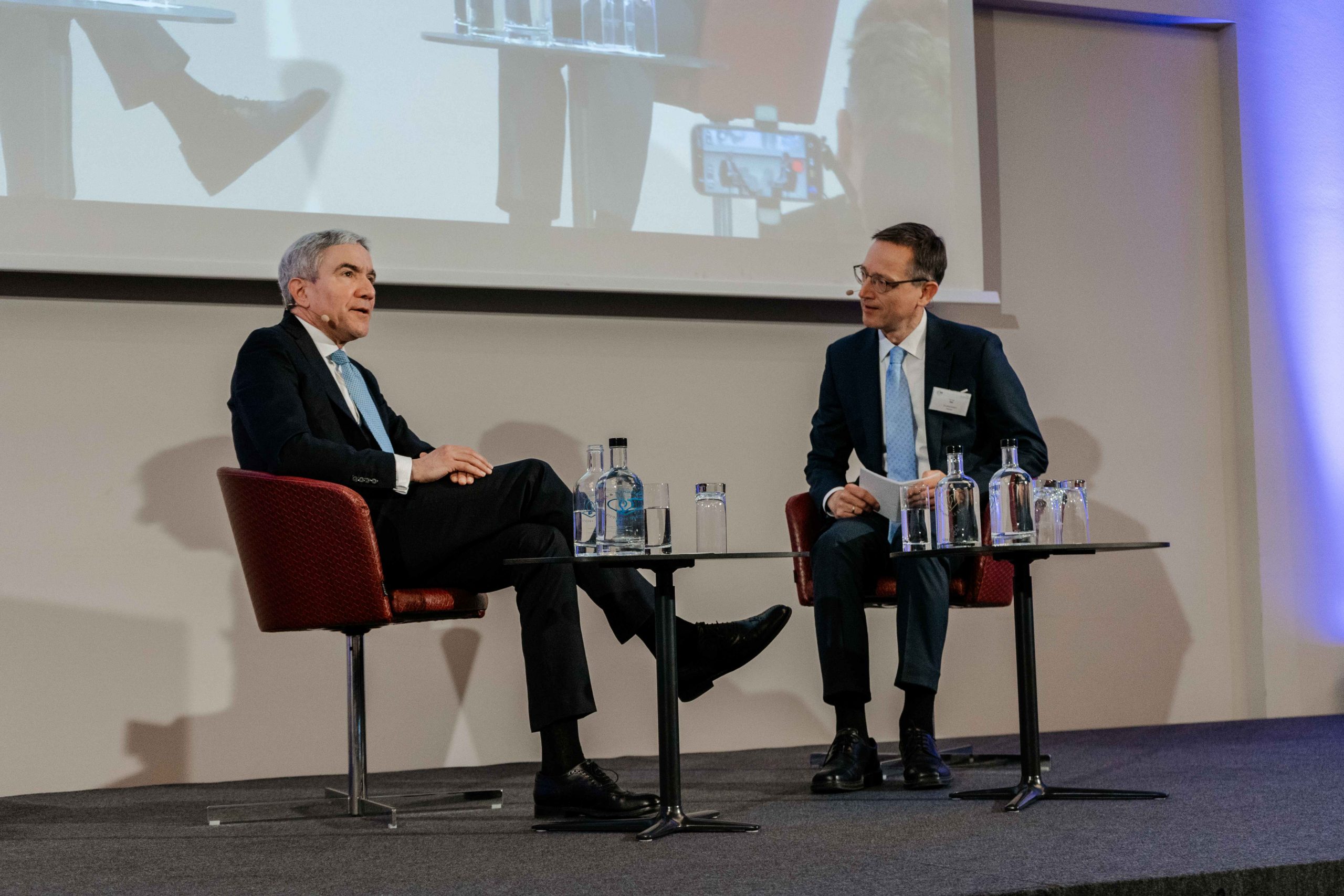
Yes, and the scene-setter was no one less than the President of the constitutional court, Chief Justice Stephan Harbarth (as we call him in English), or just “dear Stephan” as his colleague from Heidelberg student times, Konrad Ost, the Vice President of the Bundeskartellamt, called him. The Chief Justice is an interesting figure, he was a corporate lawyer in a top law firm before joining the German Parliament and then the Bundesverfassungsgericht, where they usually have judges and professors only.
Q: So did he speak about how he hated it when he had to wait for approval from Kazakhstan when he was closing a merger deal?
Of course not! He spoke about safeguards for the independence of courts, also highlighting the role of the European Court of Justice. Juliane Kokott, the Advocate General, and judge Johannes Laitenberger were in the room, and I tried to steal a glance at what they thought, having in mind the sometimes strained relationship of the two institutions. But on the rule of law, they seem aligned. The rule of law “requires a deep commitment of the people”, Harbarth said. He also pointed out that “the democratic state needs to preserve the ability to act”. Golden words, but everyone in the room was probably able to relate that to what competition agencies do.
Q: Did he have some more hands-on advice for you?
He did. He asked us to go to schools and explain the rule of law to the kids.
Q: That’s hands-on indeed. Can I bill that?
Oh, you do not yet have the mindset. Harbarth also warned us that the success of the liberal democratic constitution relies on the economic success, on prosperity. Had Europe not prospered in the 1950s and 60s we would be in an authoritarian state, he said. I am not sure this is true, but it served us well as a reminder that a flourishing business environment may be a booster for democracy.
Q: And that is where Eleanor Fox picked up, I guess.
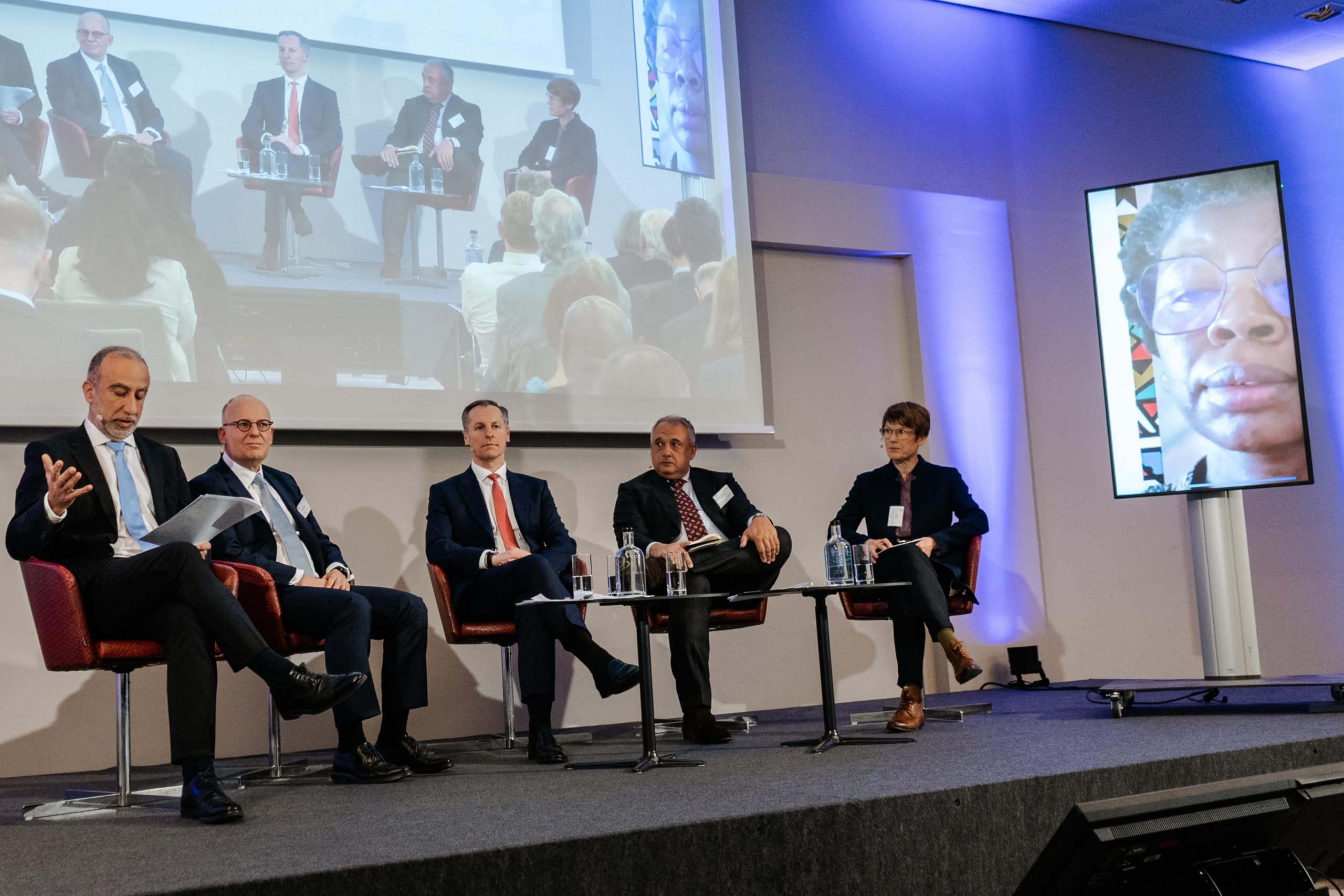
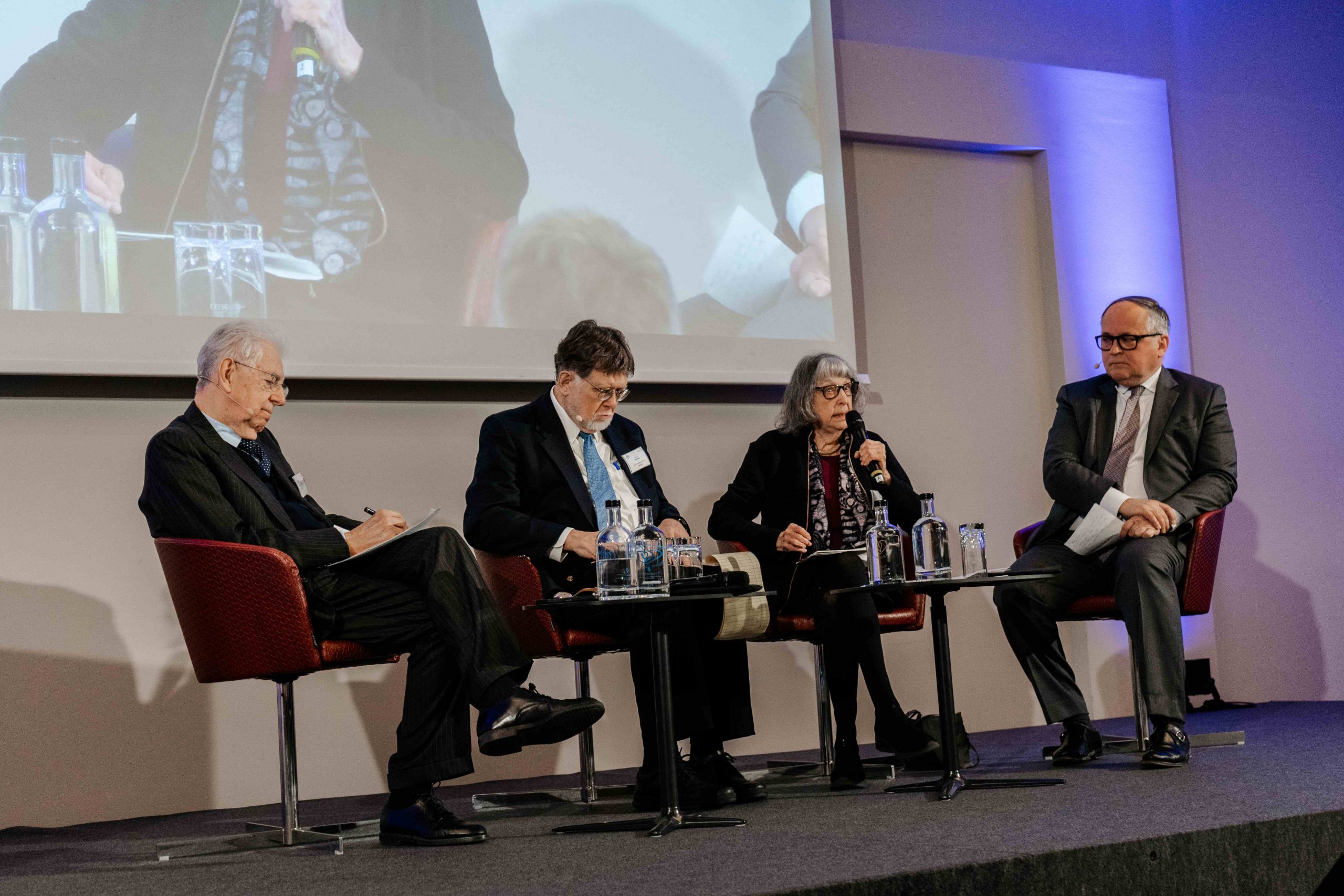
Imagine that panel: Eleanor Fox, born in 1936 (as Wikipedia discloses), so youthful in her mind, joined by Mario Monti, the promoter of the more economic approach in his time as a European Commissioner (1999-2004), Bill Kovacic and Benoit Coeuré, head of the French Autorité de la Concurrence. The four of them were witty, interesting, deep. You have to watch it! The audience was close to standing ovations afterwards.
Q: I am reading this long blog post only to find out that I have to watch one of the panels? Come on…
Okay. Their topic was the institutional design for competition agencies, so as to save them from political influence. Coeuré, drawing on his experience as a former Central Banker, gave us four important safeguards for making a resilient competition agency: Explain why it is important in simple words. Guard yourself against capture from the cosy competition circus. Adapt and use new tools. Don’t overstep your mandate. Kovacic added a point that the late Jürgen Habermas would have loved to hear: Ultimately, we need to discuss and convince people, based on our professional judgment, built on independent research.
Q: Must have been heartening for the many enforcers in the room.
Alexei Gherțescu was the first to ask a question, he is one of the heads of agencies who left his post. He had been at the helm of the Competition Council in Moldova until recently. He sighed, noting that the panel was made up of representatives from large countries. The problems, he said with first-hand experience, are only amplified in smaller economies, where everything is so closely intertwined.
Q: Good point.
Peter Freeman, introducing himself as “a former head of a smaller competition agency outside Europe”, also shared some insights. When he became the boss of the UK competition agency, someone told him: “You need to be able to explain in 10 seconds on the morning radio show what you have done in your decision, otherwise you are wrong in the job.” Everyone agreed, but Tommaso Valletti quipped: “It’s easier if you have a good decision.”
Q: I see you had some fun!
Yes and no. “Is the sky falling?”, James Keyte, a New York advocate, asked in the merger panel, and he answered himself: “No, but it is very dark and cloudy.” Keyte, his colleague Ingo Brinker, head of the Studienvereinigung, and moderator Ingrid Vandenborre brought a bit of case practice into the discussion. They advocated for scale and, accordingly, for the acceptance of efficiencies. Tommaso Valletti, former DG COMP chief economist, had none of that: “Talking about efficiencies in mergers is like teenagers talking about sex: They are talking about it all the time, everyone’s claiming to have it, but actually it never happens.” Valletti was on fire, as usual. Elisabetta Iossa at his side, an Italian economist who is now a commissioner in the Italian agency, added a lot of substance to the debate. By the way, Andreas Mundt said that teenage sex efficiencies occasionally happen. His Kartellamt recently cleared the Lippdorf power station merger on this basis.
Q: Teenagers and sex, oh my god, you covered a lot during this conference!
It was one of the final panels, after that, it was just Tamzin Booth, Barry Lynn, and me wrapping up in a power talk. Andreas Mundt invited us all for 2028. We applauded the awesome team of event managers from the Bundeskartellamt, with Barbara Schulze in the lead. Some of us moved upstairs in that hotel to participate in the launch event for an Advisory Centre for Competition Law & Policy in Africa. Professor Simon Roberts from Johannesburg is a driving force, and an NGO called Shamba Center plus CCRED and the German Ministry for Economic Cooperation and Development, teamed up for this. Competition and food security is high on the agenda there.
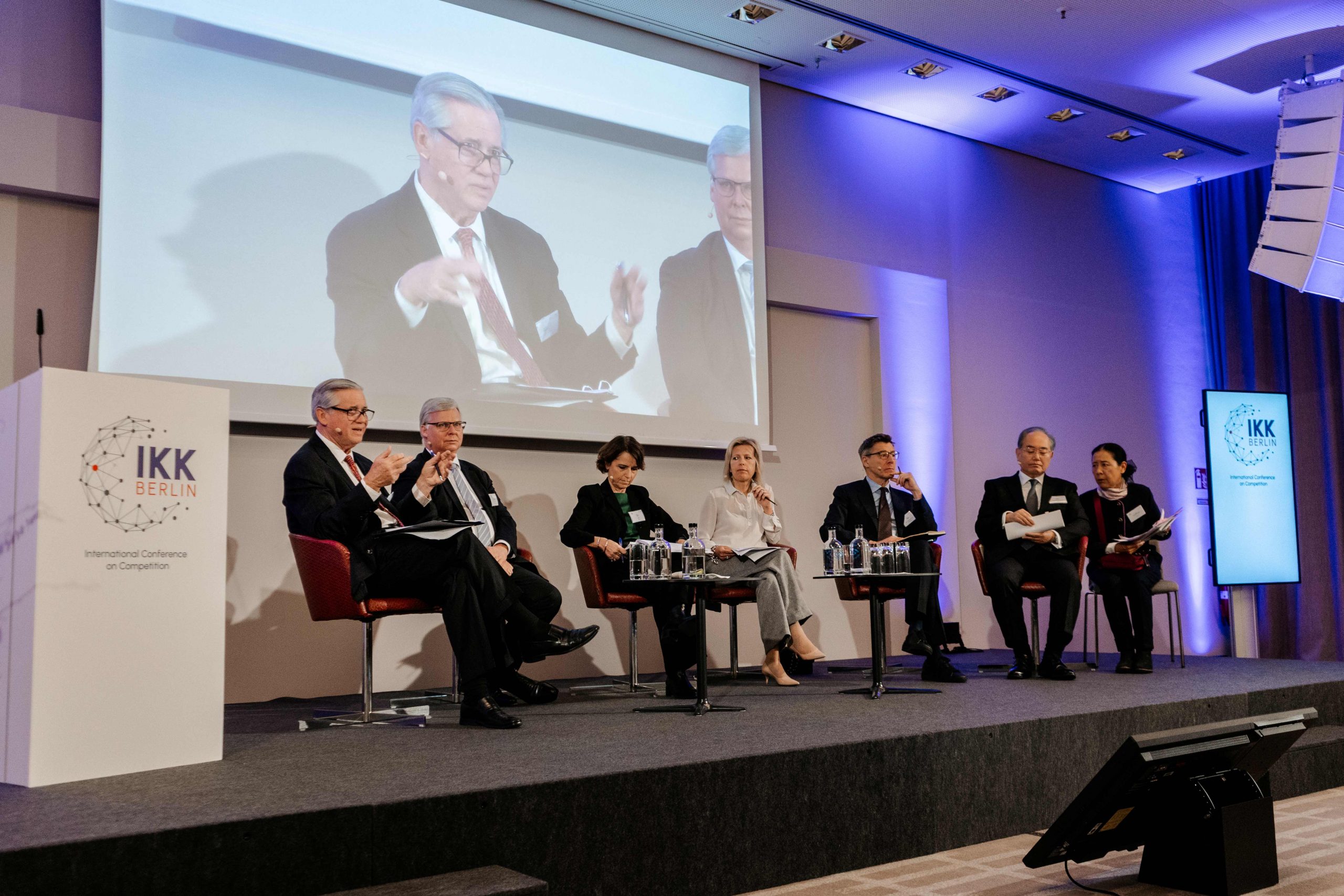
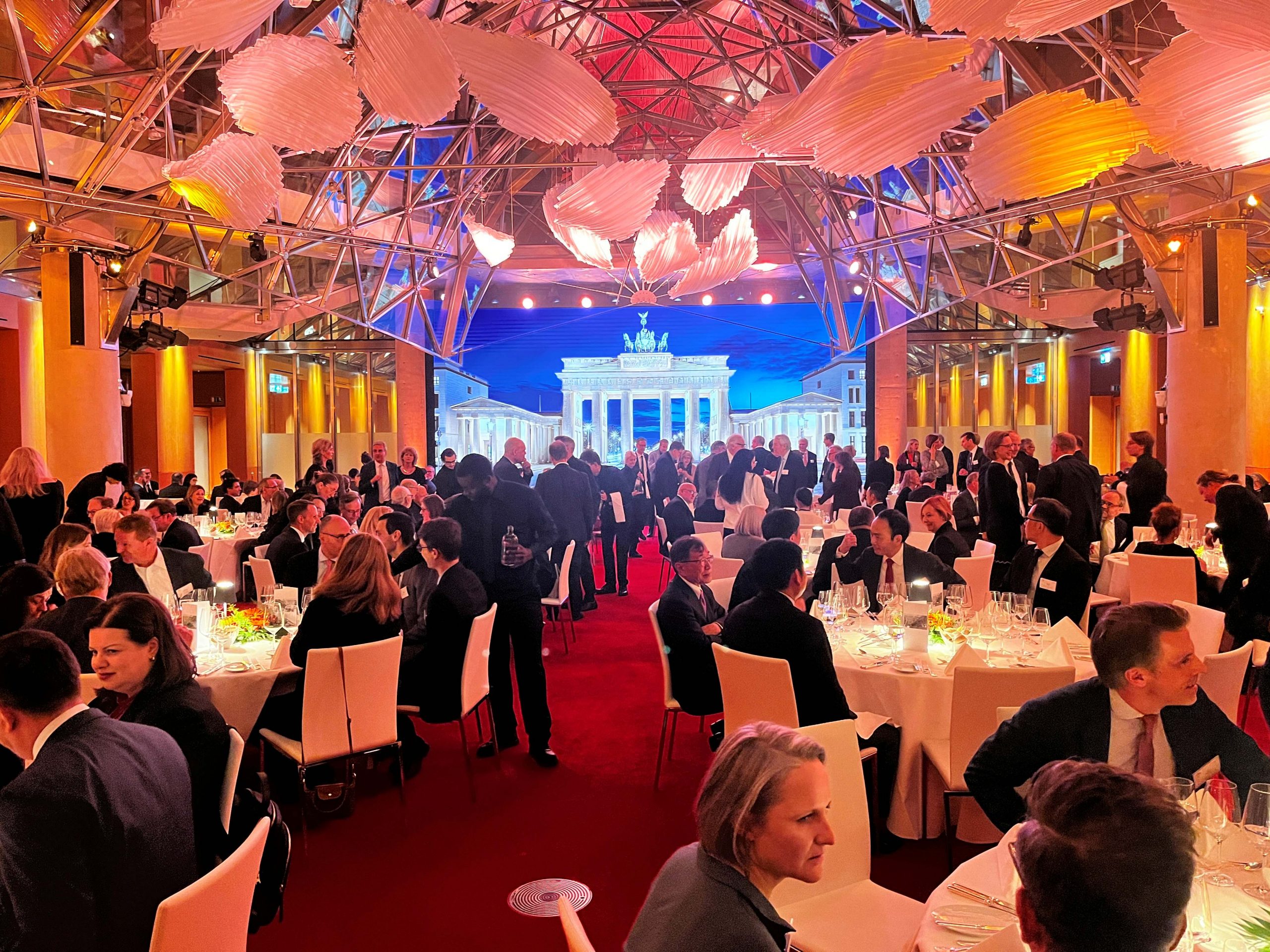
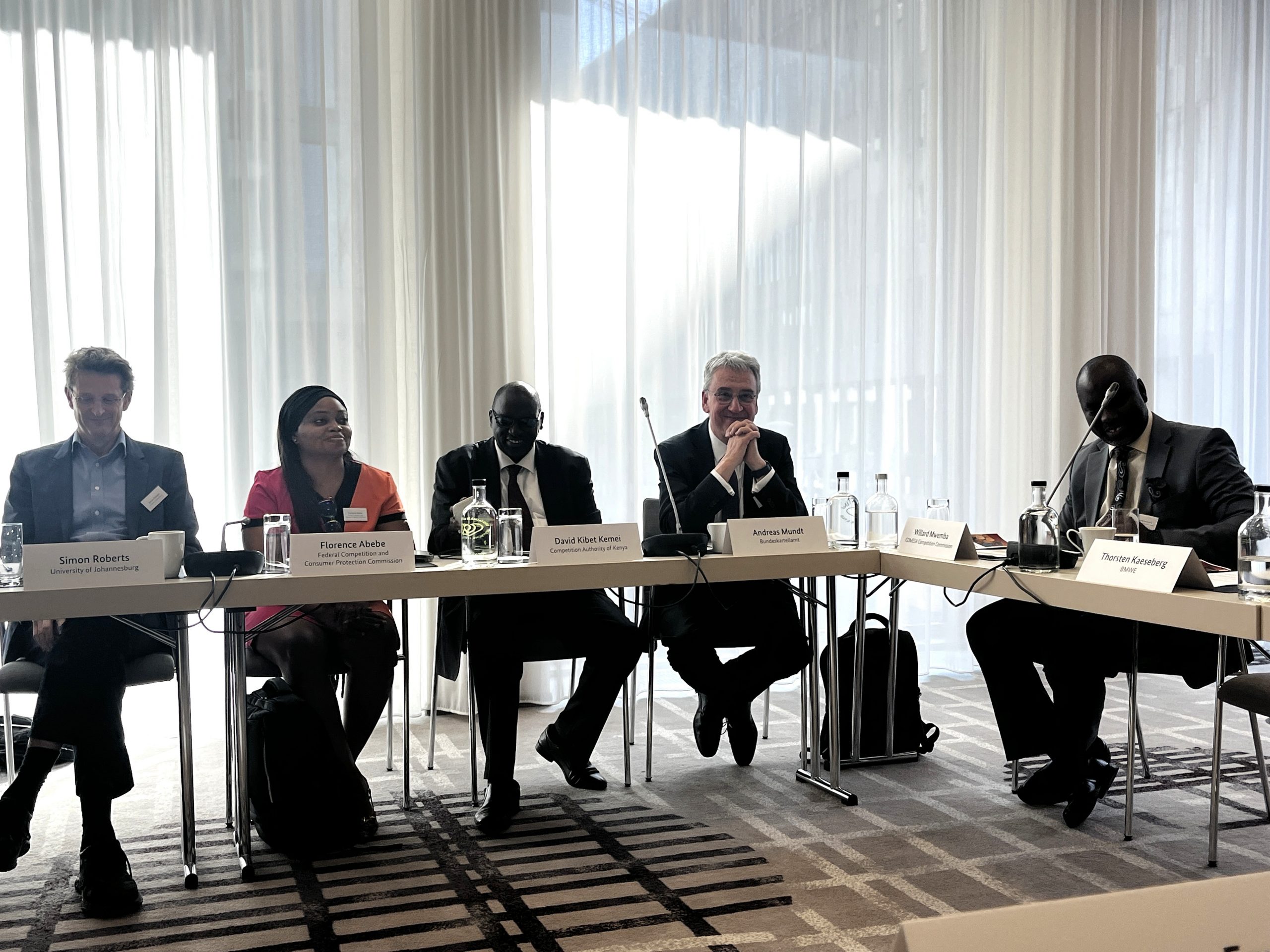
Q: More food and drinks, I see.
I didn’t stay for the cocktail reception afterwards. Instead, I started to paint my protest posters.
Q: Fuel prices too high for you, too? I thought you professors couldn’t even afford a car.
We go Deutsche Bahn, but there’s a lot to protest there, too. High fuel prices will be the next test case for the independence of the Bundeskartellamt and the government’s understanding of sound economic policies. But that’s not my main pain point after this conference. The overall feeling was that those interested in free competition should really worry. With the idea of national champions, massive spending without proper safeguards, AI as a technology with the potential to enslave, dangers for the rule of law, criticism of markets, and appetite for destruction by some, the question really is: Will we preserve an economy that delivers for all, is driven by competition, preserves freedom, and is governed by a rule-based order? We saw the collapse of public international law. We do not want to see the collapse of antitrust law. Eleanor Fox called us to the barricades: “We have to fight back!”
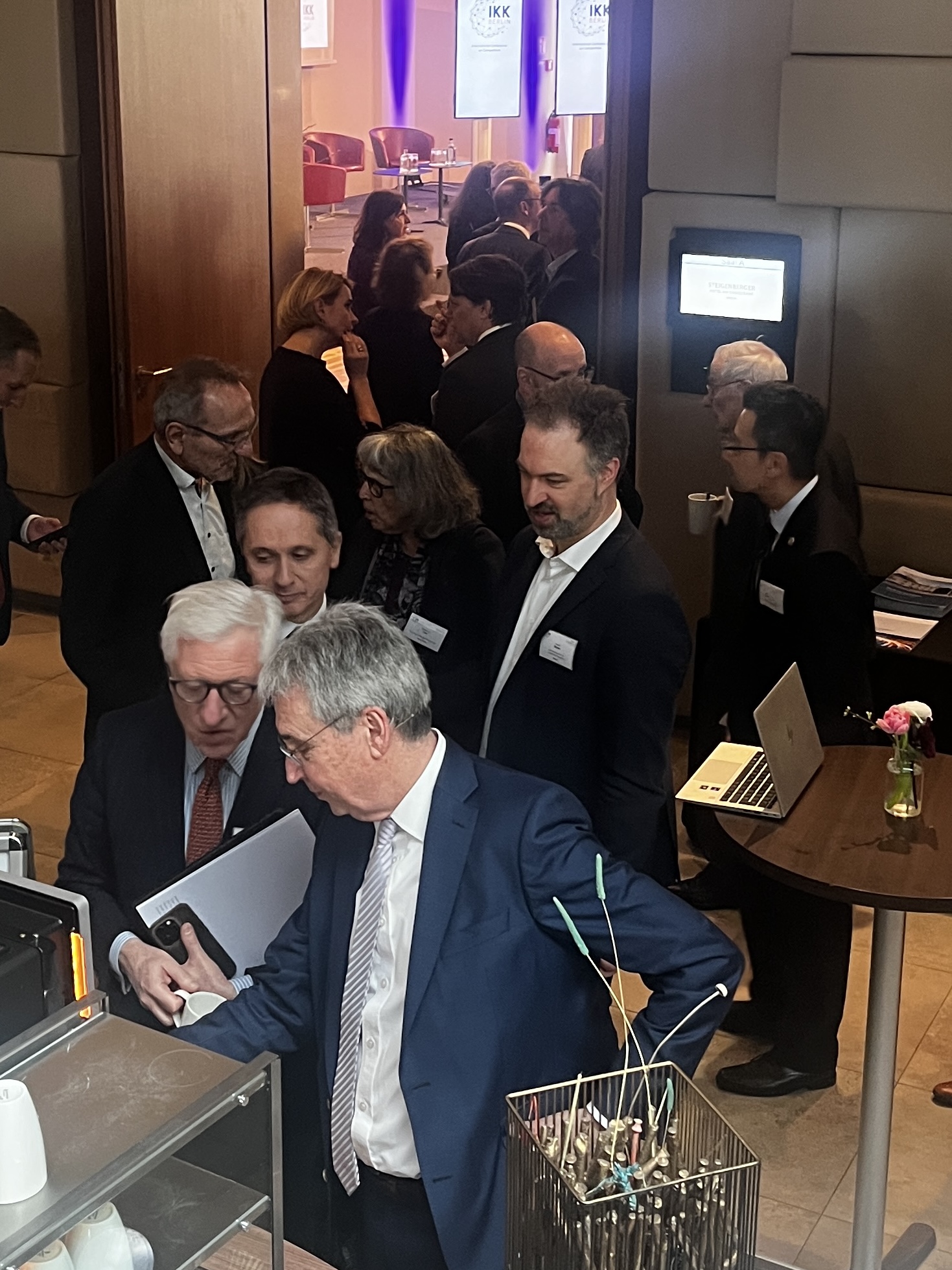

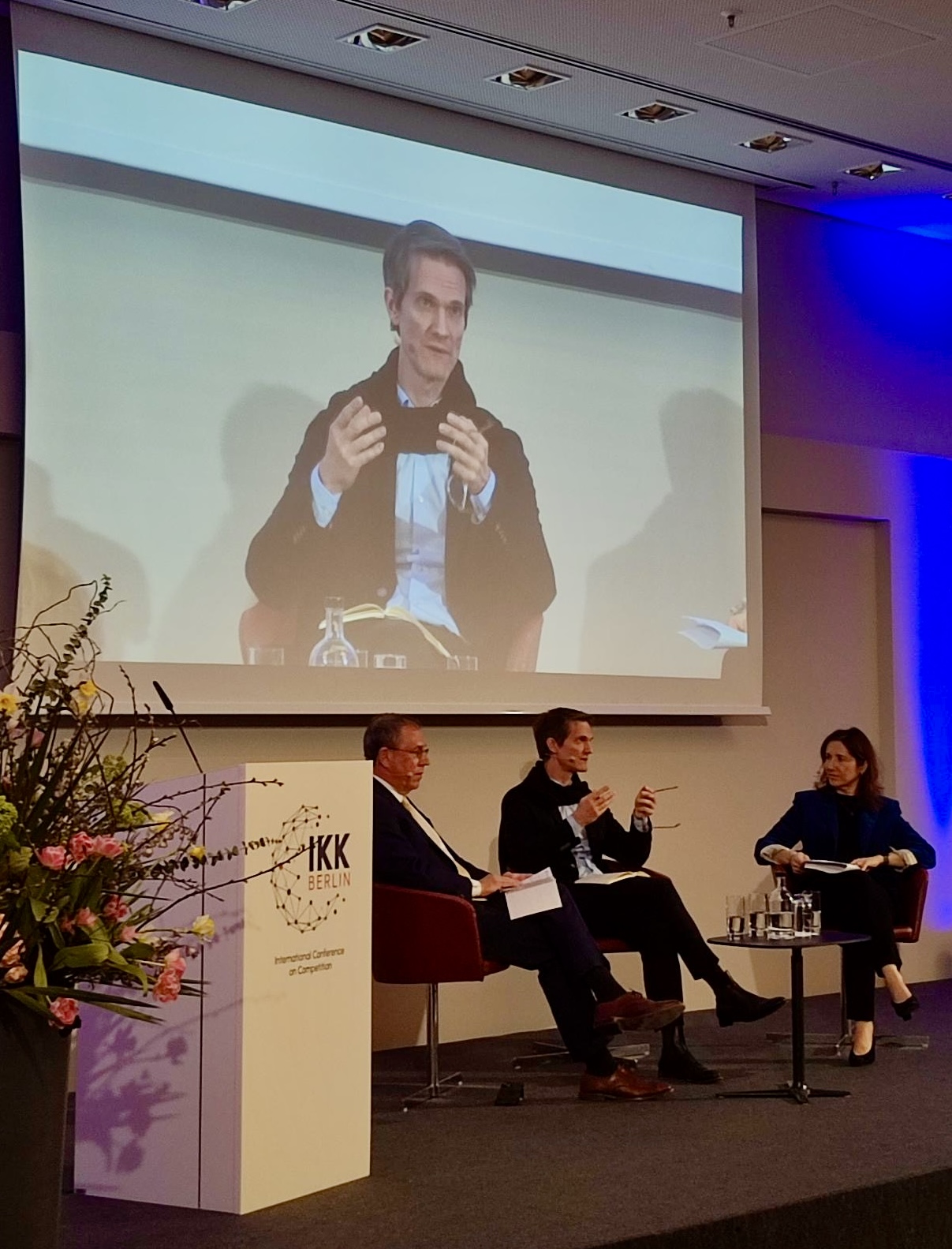
Rupprecht Podszun is the director of the Institute for Competition Law at Heinrich Heine University Düsseldorf and the editor of this blog. The photo shows him on the panel with Barry Lynn from the Open Markets Institute and Tamzin Booth of the Economist. The author thanks Sebastian Steinert for his help. Sebastian recently programmed the DMAExplorer as an easy-to-use text edition of the Digital Markets Act. Check it out here!

To comfort Oli Bethell, videos from the event will be uploaded on, well, YouTube by the Bundeskartellamt here. Photo credits go to the Bundeskartellamt #IKK2026.
You can be informed about new posts on this blog by subscribing here.
2 Kommentare zu „Conference Debriefing (49): IKK2026 – International Competition Conference“
Bravo! This conference debriefing, both funny and informative, is wonderful reading, almost as good actually being there!
Q: Power, resilience, democracy… connected to competition” – is Teresa Ribera now secretly reading Eucken and Böhm with a torch under the blanket? ;o)